ByJohn A
The Role of Biometric Authentication in Preventing Jewellery Safe Tampering
Understanding Modern Safe Security Challenges
The protection of valuable jewellery has evolved considerably over the past decade, with traditional lock-and-key mechanisms proving increasingly vulnerable to sophisticated tampering techniques. As criminals develop more advanced methods to breach security systems, the need for cutting-edge authentication technology has become paramount. For those investing in a luxury jewelry safe Dubai, biometric authentication represents a revolutionary approach to safeguarding precious items, offering a level of security that mechanical locks simply cannot match.
The jewellery industry faces unique security challenges, particularly in regions where high-value collections are commonplace. Wealthy collectors and retailers require robust protection against both opportunistic theft and organised criminal enterprises. A luxury jewelry safe Dubai equipped with modern biometric technology addresses these concerns by creating an impenetrable barrier that responds only to verified biological characteristics, making unauthorised access virtually impossible.
How Biometric Technology Works in Jewellery Safes
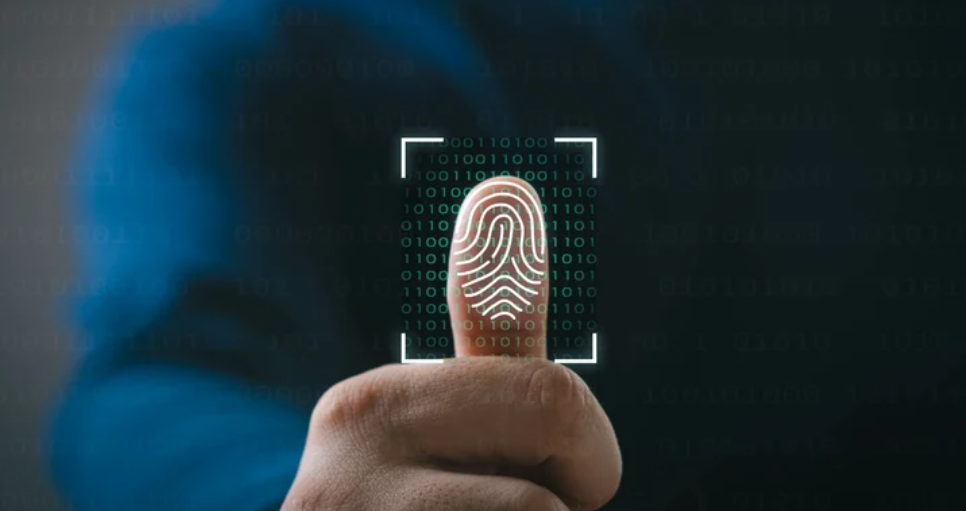
Biometric authentication systems operate by scanning and verifying unique physical characteristics of authorised users. The most common biometric features utilised in high-security safes include fingerprints, iris patterns, and facial recognition. These biological markers are extraordinarily difficult to replicate, providing a formidable defence against tampering attempts.
When an individual attempts to access a biometrically secured safe, the system captures their biological data and compares it against stored profiles in its database. This process occurs within milliseconds, granting access only when a match is confirmed. The technology has advanced to such a degree that even sophisticated forgery attempts using moulds or photographs are immediately detected and rejected.
Fingerprint Recognition Systems
Fingerprint scanners remain the most widely adopted biometric feature in premium jewellery safes. These systems analyse the unique ridge patterns, minutiae points, and overall fingerprint topology to verify identity. Modern sensors can detect temperature, pulse, and even blood flow, ensuring that only living tissue can activate the mechanism. For those seeking enhanced protection, a luxury jewelry safe Dubai often incorporates multi-layered biometric systems that combine fingerprint technology with additional security features.
Multi-Factor Biometric Authentication
The most sophisticated jewellery safes employ multiple biometric verification methods simultaneously. This multi-factor approach might combine fingerprint scanning with iris recognition or facial mapping, creating redundant security layers that exponentially increase protection. Such systems ensure that even if one biometric feature were somehow compromised, the safe would remain secure. Retailers and private collectors increasingly recognise the value of implementing comprehensive jewellery store security measures that incorporate these advanced technologies.
See also: The Future of Cloud Computing Technology
Advantages Over Traditional Lock Mechanisms
Traditional combination locks and key-based systems suffer from inherent vulnerabilities that biometric technology eliminates entirely. Keys can be copied, stolen, or lost, whilst combinations may be observed, shared, or forgotten at critical moments. Biometric authentication removes these risks by tying access exclusively to the physical presence of authorised individuals. The convenience factor cannot be overlooked either, as users need not remember codes or carry keys that might fall into the wrong hands.
Furthermore, biometric systems maintain comprehensive audit trails, recording every access attempt with timestamps and user identification. This feature proves invaluable for insurance purposes and security monitoring, allowing owners to track precisely when their valuables were accessed and by whom. Such detailed logging capabilities provide both accountability and evidence should any security breach occur.
Preventing Common Tampering Techniques
Criminal elements employ various methods to compromise jewellery safes, including drilling, manipulation of mechanical components, and exploitation of electronic vulnerabilities. Biometric systems effectively neutralise many of these approaches by requiring successful biological verification before any mechanical or electronic access is granted. Even if a thief manages to physically breach the safe’s exterior, the biometric lock remains impervious without the correct biological credentials.
Modern biometric safes also incorporate anti-spoofing technology that detects and rejects fake fingerprints, photographs, or other forgery attempts. These systems analyse factors such as skin elasticity, temperature variations, and blood flow patterns to ensure authenticity. The sophistication of these detection mechanisms makes tampering extraordinarily difficult, even for well-resourced criminal organisations.
Future Developments in Biometric Safe Technology
The integration of artificial intelligence and machine learning promises to enhance biometric authentication further. These technologies enable systems to adapt and improve their recognition accuracy over time whilst detecting increasingly subtle tampering attempts. Some manufacturers are exploring innovative combinations of security and elegant design that seamlessly incorporate these advanced features.
As biometric technology continues to evolve, the gap between security capabilities and criminal methods widens considerably. Investing in high-tech protection solutions for valuable jewellery represents not merely a purchase but a long-term security strategy that adapts to emerging threats.
Securing Precious Assets With Confidence
Biometric authentication has fundamentally transformed jewellery safe security, offering protection that traditional mechanisms cannot match. The technology’s ability to prevent tampering whilst providing convenient access makes it the preferred choice for discerning collectors and retailers. As threats evolve, biometric systems stand ready to meet future challenges with increasingly sophisticated countermeasures.